

The core of the complete process is to gradually turn information into acceptance standards
Flexible stone export procurement is not simply three actions: "inquiry, payment, and waiting for goods." For a building-materials foreign trade company, it is an evidence chain that runs from customer requirements to product, from samples to bulk goods, and from verbal communication to written acceptance. If information at any stage is unclear, it can later turn into price changes, delays, color differences, packaging issues, or customer complaints.
Flexible stone, also called soft porcelain or flexible facing tile, may differ in product series, texture, color, specifications, and packaging. This article provides a general procurement management framework; specific parameters, lead times, minimum order quantities, testing, and export documents should be confirmed according to the target country, order, and official reply from FLAT Fulaite.
Step one: convert customer needs into a procurement requirements sheet
Do not forward a customer's single statement "we need flexible stone" directly to the factory. The procurement requirements should at least list the target market, customer type, application project, product series or reference images, specifications, colors, estimated quantity, packaging, labels, delivery time and trade terms. Clearly mark undetermined items as pending confirmation.
The requirements table must also distinguish mandatory items from negotiable items. For example, the customer must use a certain packaging size, but the color can be selected from the existing series. Only then can the supplier propose alternatives, and the trading company can also control the scope of changes.
Step Two: Request quotes under uniform conditions
When requesting quotes from different suppliers, use the same form and require quotes to correspond to specific item numbers, specifications, quantities, packaging, price terms, payment, delivery time, and validity period. Comparing only the price per square meter is meaningless, because packaging, inspection, customization, and delivery scope may differ.
At the inquiry stage, confirm in parallel the minimum order conditions for a single item and for the whole order, mixed-item policy, sample costs, customization thresholds, batch differences, container loading information and available documents. Organize the replies into a comparison table to avoid information being scattered across multiple chat windows.
Third step: Make samples, inspect samples and seal samples
Samples must have numbers and correspond to quotations. After receipt, check color and texture, surface, edges, back, dimensions, flexibility performance, packaging and completeness of documents. Where performance or certification is involved, manual display cannot replace test documents for the applicable standards.
After confirmation, establish a traceable three-party sealed-sample record, including the physical sample, photos, item number, specifications, color description, date and version. Customer samples, trading company retained samples and factory samples should correspond. Subsequent modifications generate new versions; do not replace documents with "same as before."
Step Four: Complete cost and profit review
Before placing an order, expand the factory price into the complete cost: product, customization, packaging, pallets, domestic transportation, inspection, port charges, international logistics, insurance, samples, loss, exchange rate, financing and after-sales reserve. Clarify the cost boundaries according to the trade terms of the quotation.
At the same time, establish three scenarios: trial orders, regular replenishment, and project orders. Profit for new products cannot be calculated using only ideal bulk quantities; the unit logistics and handling costs of the first order are usually higher. If profit can only rely on unsupported extremely large sales volumes, the product plan needs to be adjusted.
Step five: contract and order confirmation
The purchase contract or order should state both parties, item number, specifications, quantity, unit price, amount, packaging, labels, quality basis, confirmed sample, delivery date, payment, inspection, changes, breach of contract and dispute handling. For products with reasonable variation in color and texture, the confirmation and judgment methods should be agreed.
All attachments that affect cost and acceptance must be listed as components of the contract. Sales staff must not substitute chat promises for formal confirmation, nor may they supplement key requirements to suppliers after the customer has placed an order.
Step Six: Pre-production confirmation and production scheduling tracking
Before production, verify the final version, including samples, quantity, packaging artwork, carton marks, delivery date and receiving information. Establish key milestones: material and color confirmation, production start, mid-term progress, packaging preparation, estimated completion and inspection time.
Follow-up is not daily chasing; it is obtaining information while risks can still be corrected. If customer changes, material delays or packaging issues are found, the impact on price, delivery time and quality should be assessed immediately, and the handling method confirmed in writing.
Seventh step: Pre-shipment inspection
The inspection plan should be determined before production. Shipping inspection usually covers item number and quantity, appearance, specifications, batch, labels, packing, cartons, pallets, and documents. The sampling method, acceptance criteria, and handling of nonconformities should be agreed by both parties; they cannot be decided on the spot after the inspector arrives.
The inspection report should include the date, location, order number, container number, photos, issues found and handling conclusions. If rework or replenishment is carried out, a re-check shall be conducted after completion. Without written release, shipment should not be arranged based solely on "the factory says it is fine".
Step eight: packaging, documentation, and shipping verification
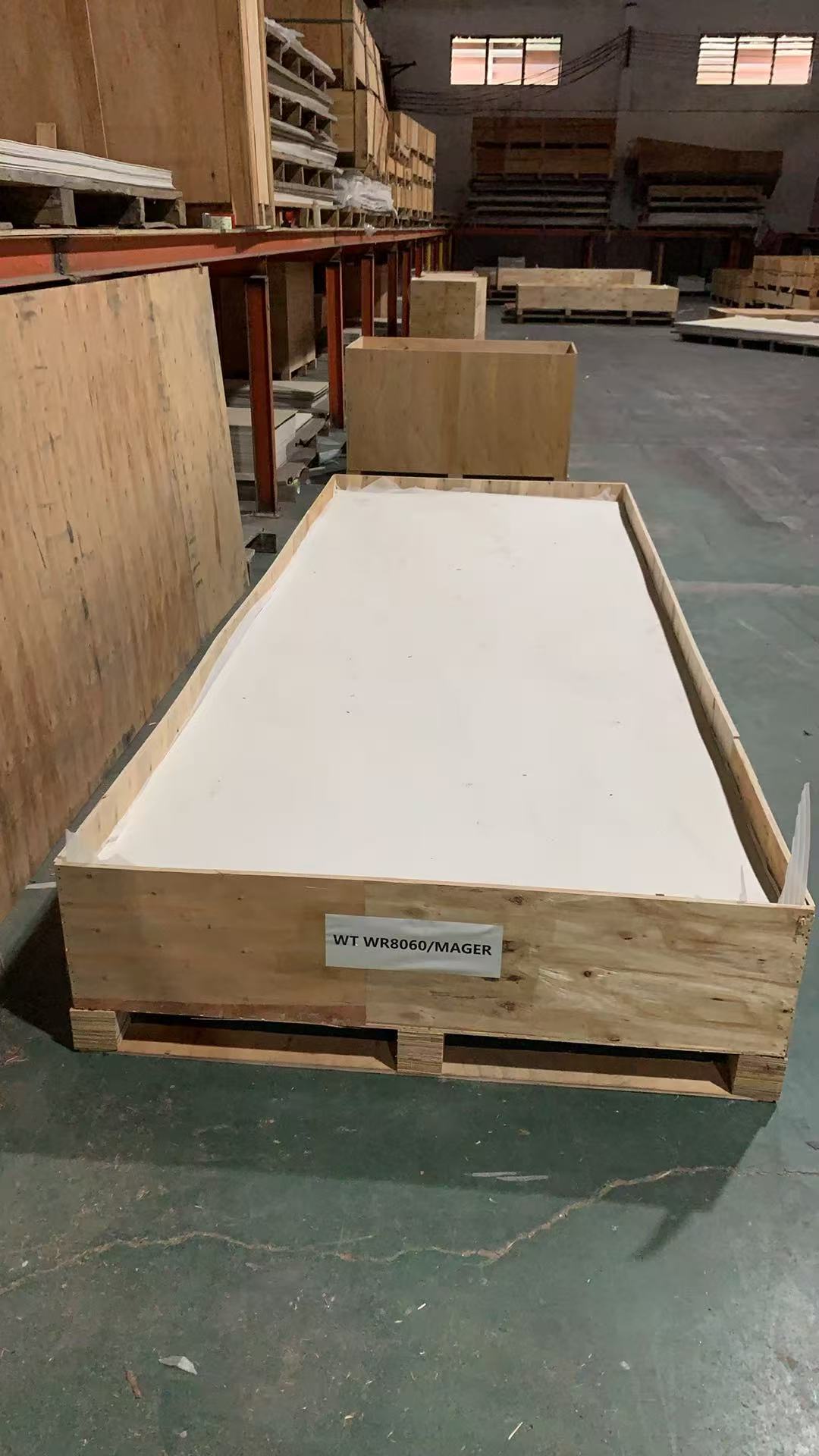
Check the quantity per carton, net weight and gross weight, carton dimensions, pallet pattern, shipping marks, barcodes, protection, and loading information. Packaging must balance protection, handling, warehousing, destination distribution, and customer branding requirements. Low-cost packaging that cannot withstand the transport chain will shift costs into customer complaints and replenishment.
The document name, quantity, amount, number of packages, weight and consignor/consignee information should be consistent. Specific export and destination-country documents shall be confirmed according to order and professional institution requirements; do not fabricate a uniform checklist. During container loading or delivery, keep records of container numbers, seals, vehicles and on-site photos.
Step Nine: Arrival feedback and supplier review
After the goods arrive, collect unpacking records, damage, quantity, customer feedback and sales performance. When problems arise, first establish an evidence chain, then determine responsibility according to the contract and retained samples. Do not attribute all on-site problems directly to product quality, and do not give up reasonable traceability due to a lack of records.
After each order batch is completed, evaluate quotation accuracy, sample consistency, delivery time, quality, packaging, documentation, and communication. Turn problems into inspection items for the next order, gradually forming a stable replenishment standard.
Management table to improve procurement efficiency
- Product and customer requirement form;
- Supplier quotation comparison sheet;
- Sample, sealed sample and retained sample ledger;
- Complete cost and target profit table;
- Contract attachments and version records;
- Production milestones and risk list;
- Outbound inspection and packaging check sheet;
- Arrival feedback and supplier scoring form.
Common Questions
Can I inquire about pricing first without a final quantity?
Yes, but a quantity range should be provided and tiered pricing requested, while noting that the final price must be calculated based on the confirmed order.
Can production begin directly after sample confirmation?
Specifications, quantity, packaging, contract, quality standards, and pre-production version confirmation still need to be completed.
Must the first order be inspected?
An inspection plan should be developed based on risk. First-time cooperation lacks historical data, so complete shipment records are especially important.
What is most easily overlooked in the purchasing process?
Common omissions are packaging details, version changes, reasonable color difference range, document consistency, and arrival feedback.
How can suppliers be discouraged from repeatedly changing prices?
Provide complete terms on the first inquiry, and require that the scope of inclusion, quantity tiers, validity period and change rules be stated in writing.
How to manage temporary changes made by customers?
First suspend the affected stages, assess cost and delivery time, and then have the customer, trading company and supplier confirm the new version in writing.
Is the procurement work finished after shipment?
No. Arrival, customer complaints, sales, and repurchase reviews must also be completed to form a stable supply chain.
Conclusion: turn each purchase into the standard for the next repurchase
A standardized flexible stone export procurement process can reduce information loss, enabling trading companies to quote, inspect goods and handle risks more accurately. When submitting procurement requirements to FLAT Fulaite, it is recommended to provide the product direction, specifications, quantity range, packaging, target market and time plan at once, so that a clear record is established from the start of the inquiry.



 WhatsApp

 Guangdong Public Network Security Preparation No. 44200002005257
