

The task of a sample is not to look good, but to reduce order uncertainty
After the building materials foreign trade company receives flexible stone samples, it is difficult to support bulk procurement by choosing colors based only on photos and first impressions. Effective sample validation must answer three questions: whether the product matches the channel positioning of the target customer, whether the supplier can reproduce it consistently, and how bulk goods will be inspected and accepted against the same standard. The texture and color of flexible stone have the characteristics of decorative materials, and reasonable differences versus unacceptable deviations must be distinguished before placing an order.
Samples also serve as a sales tool. Sales staff need to keep the product number, series, specifications, applicable scenarios, packaging and quotation terms in the same record; otherwise, the sample the customer selects may not correspond to the correct item number. The following methods are suitable for preliminary screening and sealed-sample management in foreign trade procurement and do not replace the testing or certification requirements of specific markets.
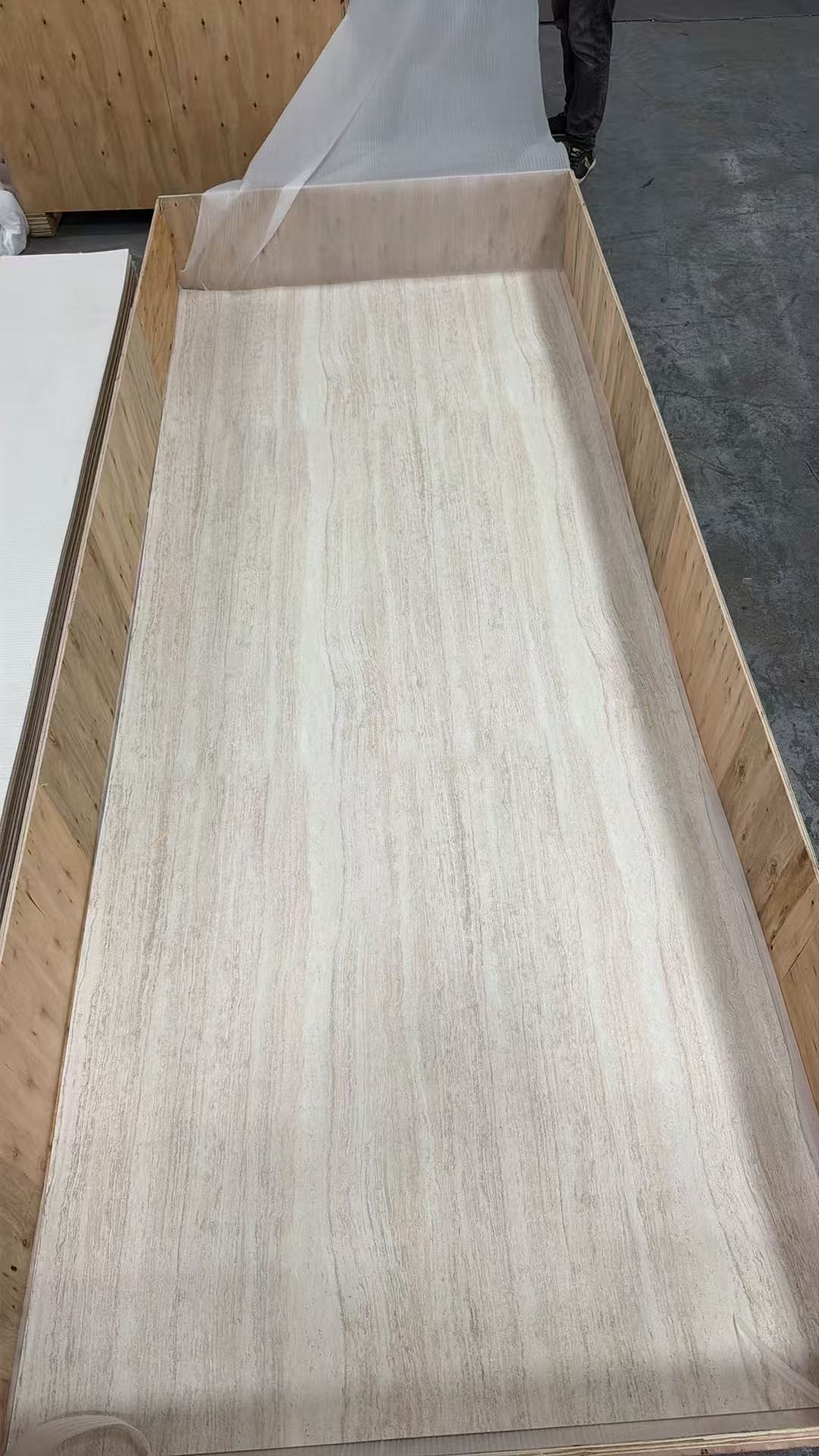
The first step after receiving samples is to establish an identity record
Before unpacking, record the supplier, courier date, outer packaging and damage condition. Label each sample with an internal number and link it to the supplier number, series, color, specification, batch and sample receipt date. Do not rely only on photos in chat records, because after staff changes or as time passes it becomes difficult to trace.
It is recommended to photograph samples from the front, back, edges and in a bent state, using consistent lighting, background and distance. The photos are for internal comparison and should not be retouched to conceal color or surface differences. If the sample documentation lacks key parameters, it should be marked as pending confirmation and must not be filled in arbitrarily.
Appearance inspection should look at both the overall effect and repeatability
Color and texture
Observe separately under natural light and stable indoor light, comparing the color, texture direction, depth and surface layering of multiple samples of the same product. Imitation stone textures should not be required to be identical piece by piece, but the range of variation should meet the customer's display and layout needs. The purchaser should confirm bulk sorting and mixed-laying recommendations with the supplier.
Surface and edges
Check for obvious stains, scratches, chipped corners, cracks, delamination, and abnormal bumps, and also observe whether the edges affect packaging, layout, and subsequent use. Record any problems found with numbered photos rather than merely saying "poor quality."
Back side condition
The back side should be included in the inspection because it relates to product identification and subsequent application. Observe whether there is abnormal contamination, obvious delamination, or inconsistency, but the specific judgment criteria should be based on supplier information, samples confirmed by both parties, and the requirements of the target project.
Dimension and flexibility checks require a unified method
Sample dimensions should be recorded using the same tool and measurement positions, not judged by eye. Randomly measure multiple pieces, record length, width, thickness and edge condition, then compare with the written specifications. The allowable difference range must be confirmed by both purchasing parties; this article does not set unverified uniform values.
Flexibility demonstration is an important way to identify flexible stone, but arbitrary folding or extreme bending cannot replace formal performance judgment. Multiple samples should be compared under the same environmental and operating conditions, observing whether abnormal cracks, surface damage or interlayer problems occur. When a test conclusion is needed, agreed standards and qualified institution materials should be used.
Make product selection decisions with a comparison table rather than impressions
It is recommended to establish a scoring table based on appearance match, sample consistency, completeness of documentation, packaging condition, supplier responsiveness, quotation clarity and replenishment feasibility. Scoring is not intended to create an absolute ranking, but to expose risks. For example, one product has outstanding visual effects, but the supplier cannot explain the item number and batch; another product has stable appearance, but does not suit the target customer price band. The decision logic for the two is different.
Invite sales, procurement, and quality personnel to evaluate separately. Sales focuses on customer acceptance, procurement focuses on terms and lead times, and quality personnel focus on inspectability. Combine the three parties' conclusions before deciding whether to proceed to customer presentation, a second sample, or elimination.
Sealed sampling must seal and retain both the product and the documents.
The confirmation sample must not consist of only a single piece of material. A complete sealed sample package should include the physical item approved by both parties, product number, photos, specifications, color description, packaging requirements, confirmation date and signed record. If the customer participates in confirmation, the correspondence between the customer sample, trading company sample and factory sample should be clearly defined.
If color, size, packaging or labeling changes after sealed sample approval, a new version shall be created; the old version shall be marked as void but its records retained. You cannot simply say "make it like last time" in chat, because there may be multiple samples and different modification stages from last time.
How retained samples help handle batches and customer complaints
The trading company and the supplier each retain samples, which can provide a common reference for replenishment orders or disputes. Retained samples should be marked with order number, batch, item number, date and status, and should be protected from moisture, contamination, prolonged direct sunlight or mixed storage. Check regularly whether labels are legible.
When customers report color differences or appearance issues, first collect on-site lighting, unboxing, box numbers, batch numbers, quantities, and close-up and distant photos, then compare with the confirmed sample and the retained shipment sample. The more complete the evidence chain, the easier it is to distinguish reasonable texture variation, transport issues, batch issues, or communication discrepancies.
Four confirmations are still required from sample to bulk production
- Inquiry confirmation:Clarify the price, quantity conditions, packaging, and validity period corresponding to the sample.
- Contract confirmation:Write the item number, specification, quantity, quality and change rules into the order.
- Pre-production confirmation:Check the final samples, labels, carton marks, and production scheduling information.
- Shipment confirmation:Inspect products, quantity, packaging and documents according to the sampling inspection plan, and keep records.
If the use conditions of the sample and the bulk goods differ, for example the sample is existing stock and the bulk goods are a newly produced batch, this should be explained in advance and a confirmation method agreed.
How can samples be turned into sales tools?
A foreign trade company can organize samples by basic, feature, and project items rather than putting all textures together in no particular order. Attach a concise number and a data QR code or product page to each sample, and use the same numbers on quotations. Customer feedback should be recorded against specific styles, gradually building regional preference and transaction data.
After samples are sent, set follow-up milestones: confirm receipt, understand the target project, collect first-round selections, provide corresponding quotations, and record reasons for non-closing. Samples without follow-up records are only a cost; samples with data flowing back are market assets.
Common Questions
How many pieces are enough for sample inspection?
This should be determined according to the verification items. Repeatability cannot be fully judged from a single piece alone; the specific quantity should be based on product characteristics, order scale and the sampling plan of both parties.
What if the sample color differs from the photo?
Screens, lighting and photography can affect the display; the physical samples confirmed by both parties and written records should be the primary basis.
Does greater flexibility mean better quality?
Overall quality cannot be judged from a single performance aspect alone. Products should be comprehensively evaluated in combination with use, structure, appearance, stability and agreed test documents.
Are differences in natural veining patterns a quality issue?
It depends on the agreement between both parties and the confirmed sample. Reasonable variation should have its range specified, while abnormal deviation must be judged based on records.
What if a customer takes away the only sample?
For important styles, prepare customer samples, company retention samples, and supplier confirmation samples, and ensure the numbers are consistent.
Do samples need to be reconfirmed before placing a supplementary order?
It is recommended to check the original retained samples, batch and current production conditions; if changes are involved or the interval is long, reconfirmation should be carried out.
Can qualified samples guarantee qualified bulk goods?
Cannot be automatically guaranteed. It also requires the support of contract standards, pre-production confirmation, production control, and shipment inspection.
Conclusion: make every sample traceable to an order
Flexible stone sample verification should be upgraded from "picking a good-looking panel" to identity records, unified inspection, comparative scoring, sealed reference samples, and bulk goods verification. When applying to FLAT (Guangdong Fulaite Building Materials Co., Ltd.) for samples, it is recommended to specify the target market, customer type, textures of interest, expected specifications, and testing purpose, so that both parties can proceed with cooperation using the same numbering and confirmation logic.



 WhatsApp

 Guangdong Public Network Security Preparation No. 44200002005257
