

First look at the conclusion
The water vapor transmission performance of a material is not the same concept as indoor humidity control. "Breathing" is a figurative description and cannot be used to infer precise humidity control, condensation prevention, or the ability to solve wall leakage.
How to distinguish vapor permeability, drainage, and waterproofing
- Find out which indicator the report tested, the specimen thickness and the test conditions, to avoid mixing data in different units.
- For wall dampness, first investigate the water source, ventilation, condensation and structural issues; it is not acceptable to only replace the finish.
- For insulated walls or damp areas, confirm the moisture and drainage paths in conjunction with the entire wall construction.
| Checklist item | Information or conditions to be confirmed |
|---|---|
| Test object | Specific products and sample status |
| Meaning of the indicator | Water vapor transmission indicators and test methods |
| On-site issues | Leakage, condensation, or moisture condition of the substrate |
What can vapor permeability indicators answer?
Water vapor transmission indicators are a way of evaluating materials under specified test conditions. Test results must be read together with the unit, thickness, temperature and humidity boundaries, and method; the humidity change of an entire building cannot be directly derived from a single value.
No commitment can be made based on this
The micropores or vapor-permeable characteristics of a material cannot by themselves guarantee that a room maintains a fixed humidity, nor can they be taken as grounds to conclude that a wall will automatically dehumidify, will not condense, or can cure leakage. Indoor humidity is also affected by factors such as ventilation, indoor moisture sources, and wall construction.
How to handle moisture resurgence
First distinguish between rainwater infiltration, pipe leakage, moisture in the substrate and condensation, and find the water source or construction issue. Before choosing a finish, confirm waterproofing, drainage, ventilation and bonding conditions, rather than only choosing a material labeled "breathable."
Scope of This Page and Materials
| Checklist item | Information or conditions to be confirmed |
|---|---|
| Discussion topics | Can soft porcelain regulate indoor humidity? The difference between vapor permeability, waterproofing and moisture control |
| Material category | Flexible stone |
| Nature of the material | Material selection notes; specific performance is subject to the corresponding product documentation and reports |
Original images and videos
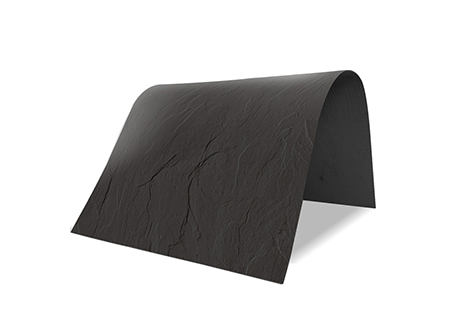
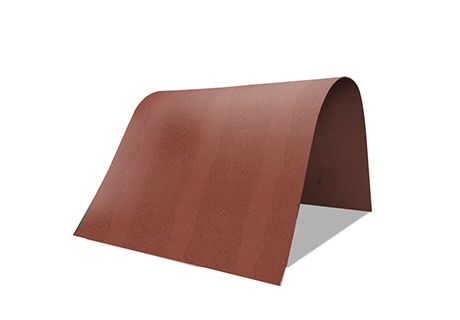
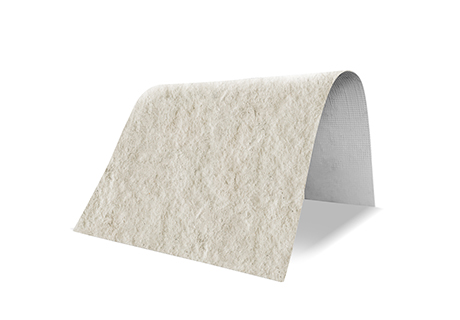

Material source and scope of application
- Corresponding product and sample information
- FLAT original certificates and test reports
- National Standards Information Public Service Platform: JG/T 311-2011 "Flexible Facing Brick"
This article is a material selection and documentation verification note. The table lists items to be confirmed and does not indicate that the corresponding product has obtained a certain value or grade. Standard inquiries are only used to verify material categories and scope of application and do not mean that all FLAT Fulaite products are tested according to the same standard.



 WhatsApp

 Guangdong Public Network Security Preparation No. 44200002005257
