

First look at the conclusion
Whether an old wall is suitable for covering with new flexible stone or coating depends on the bonding condition of the original finish, the strength of the substrate, and leakage conditions. You cannot skip removing loose layers, leveling, and substrate inspection just because the material is relatively thin.
The Actual Work Sequence for Old-Wall Renovation
- Investigate the original finish, cracks, hollow areas, chalking, and water seepage locations, and first determine the scope of retention and removal.
- After substrate repair, make a mock-up to confirm adhesion, layout, joint divisions and window/door closures.
- The construction period must include inspection, demolition, patching, drying or curing, finish application and acceptance; it cannot count only the laying time.
| Checklist item | Information or conditions to be confirmed |
|---|---|
| Original wall condition | Loose layers, contamination, cracks and water seepage |
| Treatment scope | Removal, repair, leveling and detail treatment |
| Schedule conditions | Weather, work surface, curing, and cross-construction |
Why can't a uniform saving ratio be used for the construction period?
The total duration of an old-wall renovation includes inspection, demolition, substrate repair, drying or curing, finish application, and acceptance. Because wall conditions, construction access, weather, and the schedules of other trades differ, no single savings ratio can apply to all old-renovation projects.
What additional confirmation is needed for old houses and historic buildings?
First have the project stakeholders define the scope permitted to be retained, repaired and replaced; the material plan cannot replace investigation of the existing structure and original construction. Where protection requirements are involved, the color, texture and details of the sample board should also be confirmed under actual approval and project requirements.
What basis should be retained when scheduling the work?
Arrange the plan item by item according to the confirmed scope of work, and record the work areas that can be handed over, substrate treatment, curing windows and inspection milestones. When comparing with other options, use the same demolition scope and acceptance objectives, and do not compare only the finish installation process.
Scope of This Page and Materials
| Checklist item | Information or conditions to be confirmed |
|---|---|
| Discussion topics | Renovating the exterior walls of an old house with soft porcelain: substrate inspection, details, and schedule conditions |
| Material category | Flexible stone |
| Nature of the material | Material selection notes; specific performance is subject to the corresponding product documentation and reports |
Original images and videos
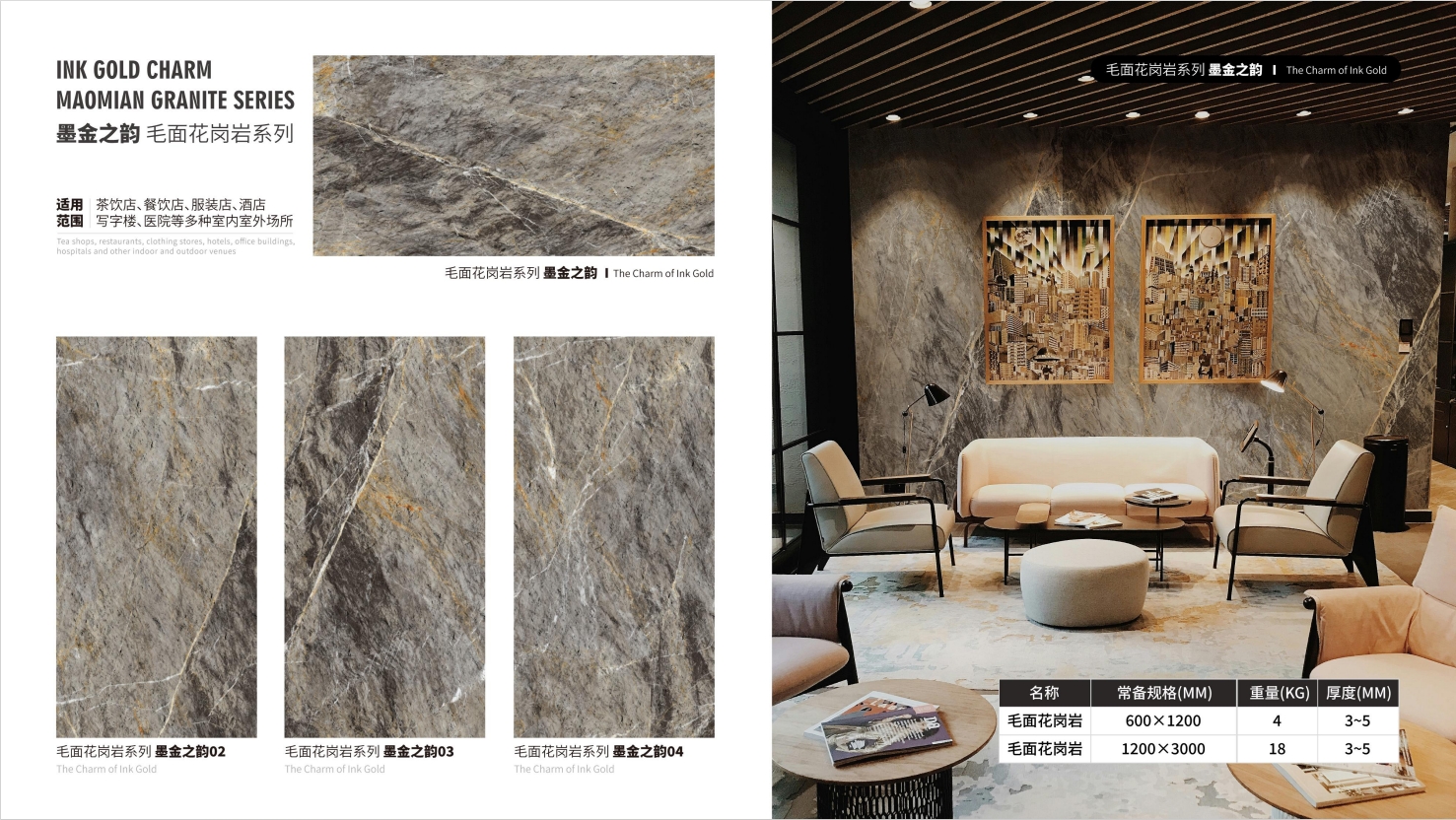
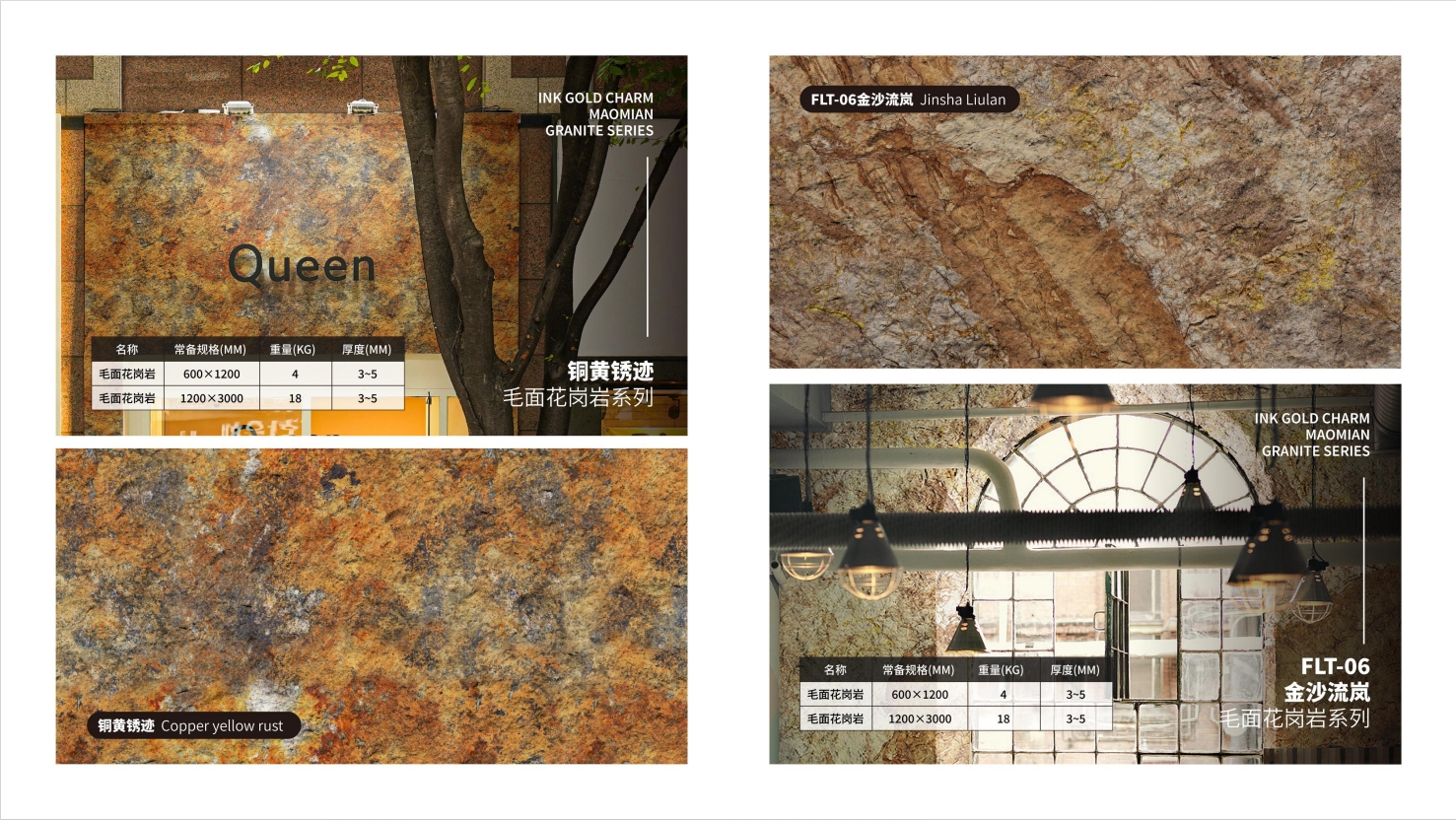
Material source and scope of application
- Corresponding product and sample information
- FLAT original certificates and test reports
- National Standards Information Public Service Platform: JG/T 311-2011 "Flexible Facing Brick"
- Ministry of Housing and Urban-Rural Development: Notice on Prevention and Treatment of Common Quality Problems in Affordable Housing (2022)
This article is a material selection and documentation verification note. The table lists items to be confirmed and does not indicate that the corresponding product has obtained a certain value or grade. Standard inquiries are only used to verify material categories and scope of application and do not mean that all FLAT Fulaite products are tested according to the same standard.



 WhatsApp

 Guangdong Public Network Security Preparation No. 44200002005257
